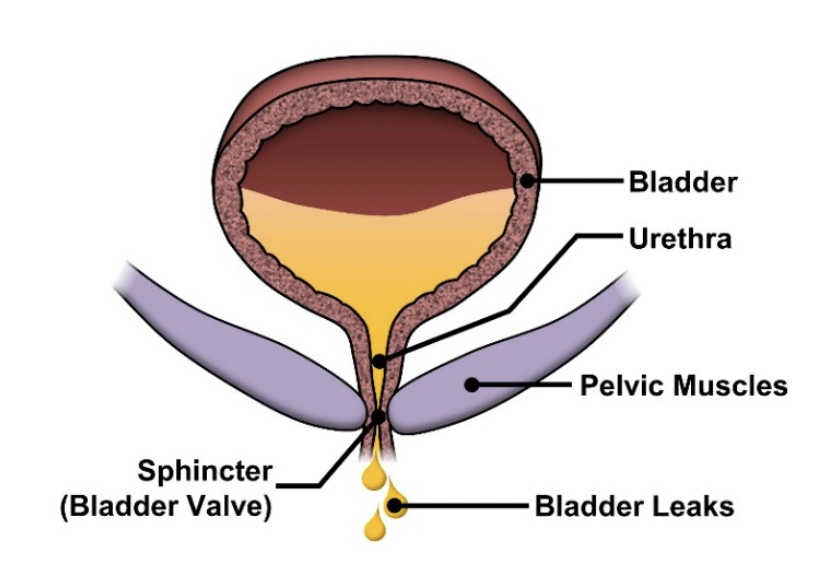
Why Do I Pee When I Cough? The most usual reasons for chronic coughing are heartburn, bronchial asthma, postnasal drip, and cigarette smoking. Pelvic floor workouts reinforce your pelvic floor muscle mass (the muscles that cover your legs and sustain your bladder, uterus and digestive tract). You can work out these muscle mass by pressing them as if you're trying to stop wind or urine getting away.
Web Links To Ncbi Data Sources
- Your physician after that inserts a 2nd catheter, which is linked to a computer, to determine the stress within your bladder.If the muscle mass and cells of your pelvic floor are weak or much less helpful, they can not keep the bladder shut securely, so pee can leak out.Stress and anxiety incontinence takes place when the muscle mass that normally protect against pee leak come to be compromised for different factors, including aging, childbirth, or pelvic surgical procedure.Your healthcare provider can assist you recognize the reason for your incontinence and recommend the very best treatment strategy.
Preventing Women Urinary System Incontinence
For people with light symptoms, these techniques alone might dramatically reduce leakage. If you smoke, think about giving up, which can quit your persistent coughing. Then start including the propensity to aid prevent leakages when you cough, sneeze or laugh. Additionally, a female who has given birth vaginally is two times as most likely to create stress urinary incontinence as a woman that had a cesarean birth. Bladder training works by boosting the time in between each visit to the bathroom, and so increasing the amount of urine you pass each time you go. Anxiety urinary incontinence generally develops when the muscular tissues in the pelvic flooring or urethral sphincter have actually been damaged or deteriorated. Yale is a local facility for know-how in the management of urinary system incontinence. The doctor might recommend you to find to the consultation with a complete bladder, then ask you to cough, jump, or otherwise put in stress on the abdomen that would certainly create pee leak.Why do I pass pee each time I cough?
Leaking pee when there''s stress on your bladder is the key indicator of tension urinary incontinence. Moderate tension incontinence might create you to leakage a few decreases of pee while giggling, coughing, sneezing, squatting or doing hefty workout.
Why Do I Pee When I Coughing, Laugh, Sneeze, Or Run?
Second of all, mild-to-moderate physical exercise can educate the function of pelvic floor muscular tissues. A normal pelvic flooring muscle mass stress is the essential to balance out the extreme rise in abdominal stress after workout, which is handy to stop UI. If the coughing is easily induced by workout, individuals will be resistant to do exercises, that makes it difficult to train the pelvic floor feature effectively. Furthermore, with the increased stomach stress due to prolonged coughing, the risk of UI will certainly be absolutely enhanced. When a person leakages urine during a coughing, sneeze, laugh, or other exercise, it's called anxiety urinary incontinence. It's the most common sort of urinary incontinence in more youthful ladies, yet can occur across a woman's lifespan and tends to worsen as people grow older. Around one in three women never look for aid for urinary incontinence and endure in silence. The very first step is to talk with your general practitioner as soon as the issue starts. Your GP might refer you to a continence registered nurse, who can provide you specialist guidance. Browse our complete range of guys's incontinence underwear online and read our Absorbency Guide for more information. Urinary tract infections (UTIs), medicines and way of living habits may also contribute to your urinary incontinence. Gynecology-only care for ladies in Lapeer County, Oakland Region, and Southeast Michigan.